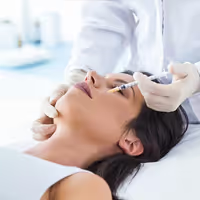
Skin Tag Removal in Calgary: Cost, Methods and What to Expect
Skin tags are harmless and easy to remove. The one thing to get right first is making sure it really is a skin tag.
November 23, 2026

Quick answer: Skin tags are small, soft, harmless growths that hang from the skin on a thin stalk, usually on the neck, eyelids, underarms and chest. At Arlo Medical in Calgary we remove them with Plexr plasma, starting at $250, in a short appointment using numbing cream. A tiny crust forms and falls off in about five to seven days. Before anything is removed, it needs to actually be a skin tag: anything that is changing, bleeding, dark or irregular should be checked by a doctor first.
Skin tags are one of the most common things people want removed, and one of the easiest. They are harmless, they do not turn into anything else, and removing one takes minutes.
The only part that deserves real care happens before the appointment: making sure the thing you want removed is a skin tag at all.
What a skin tag is
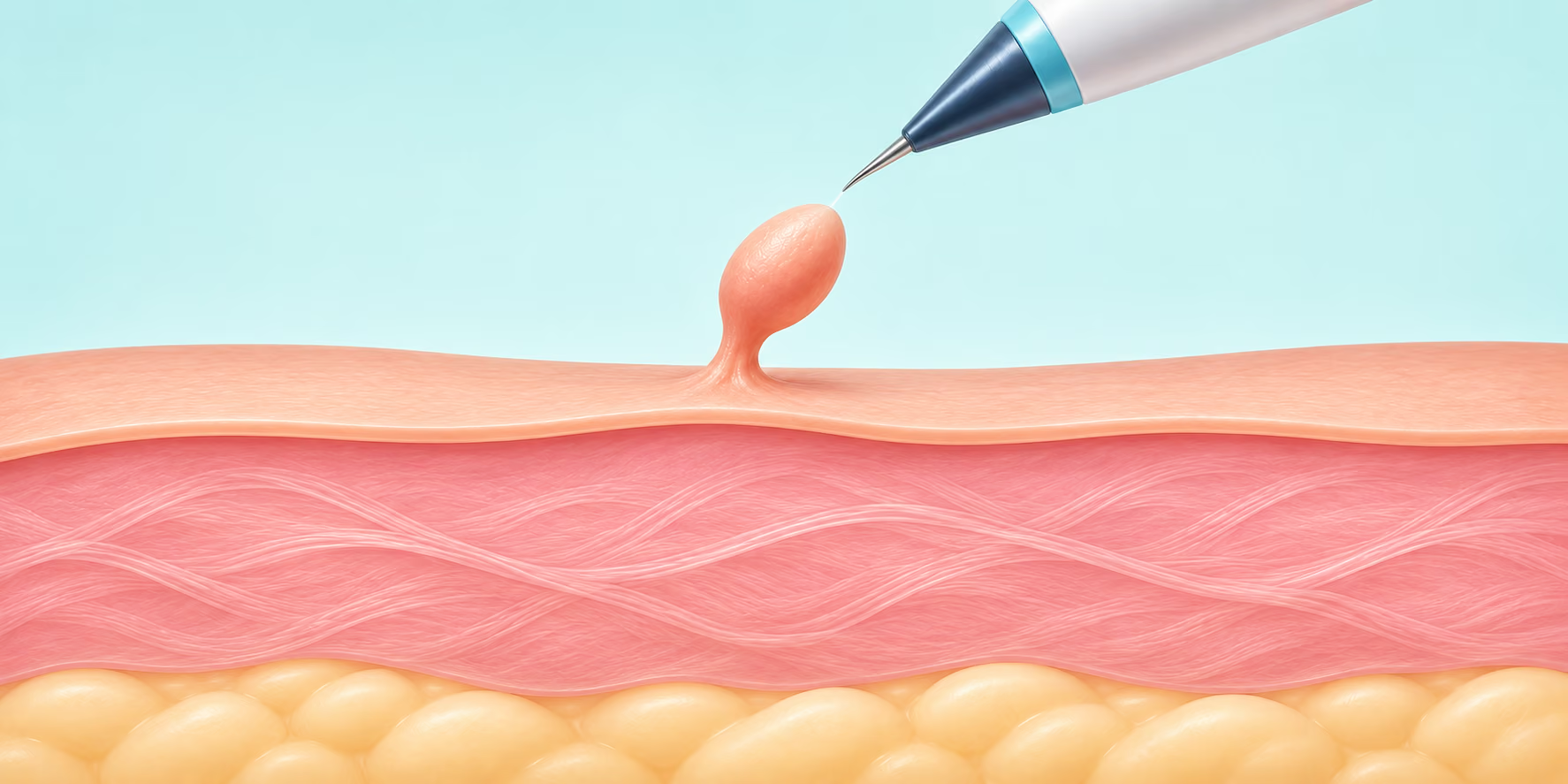
A skin tag (the medical term is acrochordon) is a small, soft growth of normal skin that hangs from a thin stalk. Most are skin-coloured or slightly darker, from the size of a grain of rice to a small pea, and they move when you touch them.
They tend to appear where skin rubs against skin or clothing:
- The neck, especially along a necklace or collar line
- Eyelids and around the eyes
- Underarms
- Under the breasts and on the chest
- Groin and skin folds
They are extremely common, and more so with age, weight gain, pregnancy and in people with insulin resistance or type 2 diabetes. Many people develop several over the years.
The question that comes first: is it really a skin tag?
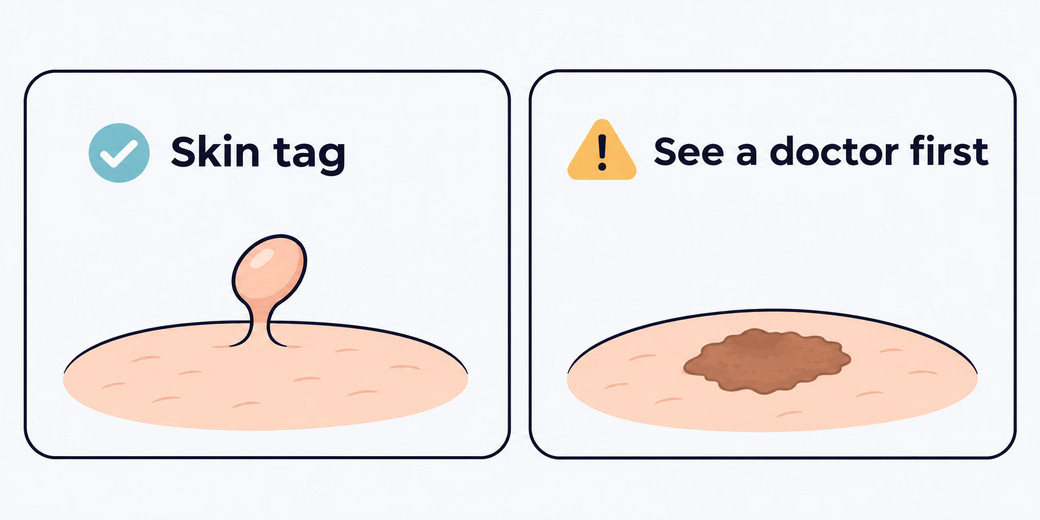
Most of what people call skin tags are exactly that. But a few other things can look similar at a glance, including moles, seborrheic keratoses, warts, and occasionally skin cancers.
Arlo Medical does not diagnose skin lesions. Before removal, please see your family doctor or a dermatologist if the spot:
- Has changed in size, shape or colour
- Is dark, black, or more than one colour
- Has an irregular border
- Bleeds without being caught or rubbed
- Is flat or firmly attached rather than hanging from a stalk
- Appeared for the first time in adulthood and looks different from your other spots
If it is a mole, it needs a doctor to confirm it is benign before any cosmetic removal. A clear skin tag can go straight ahead.
How skin tags are removed
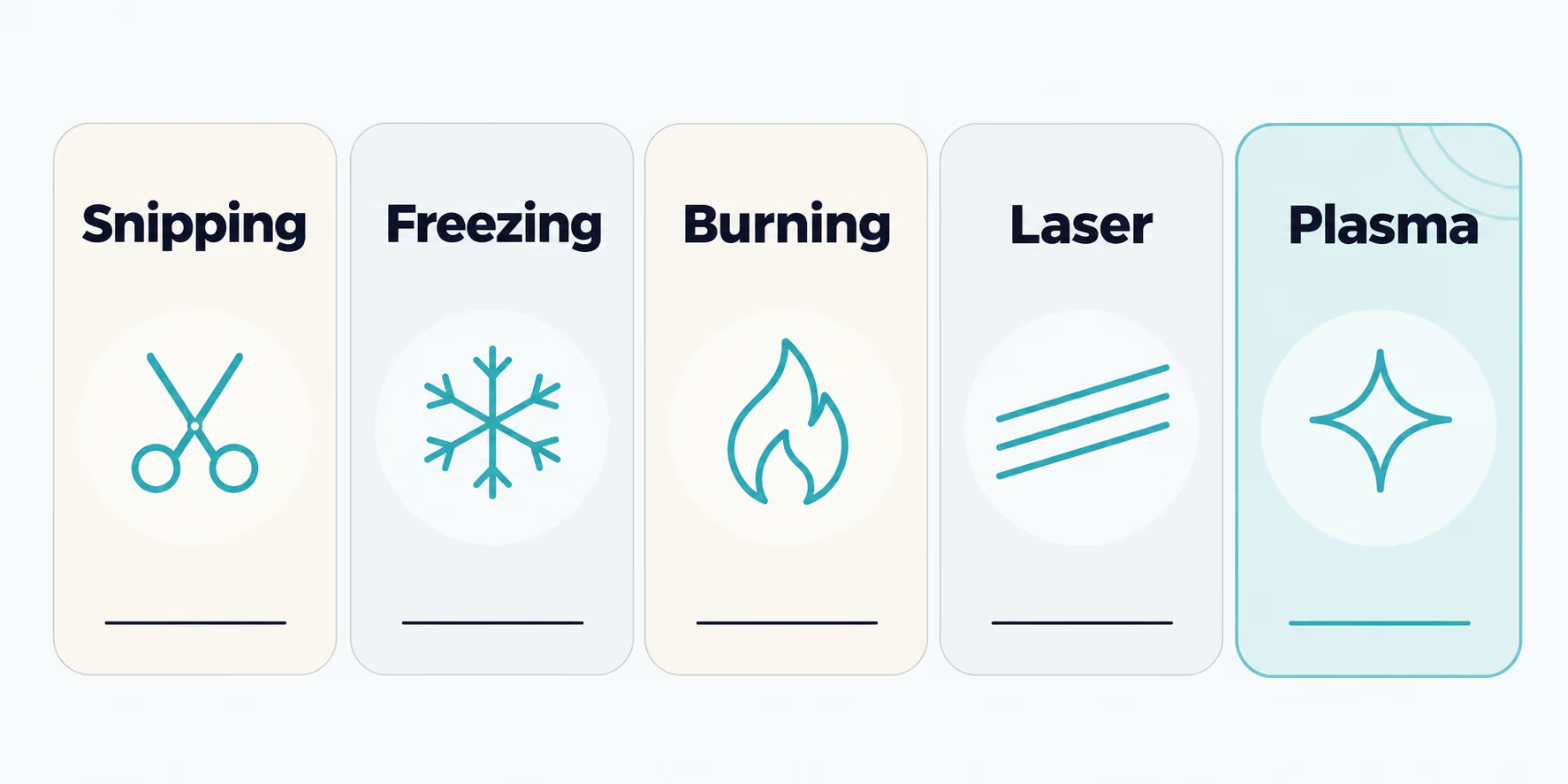
There are several ways to remove a skin tag. Arlo uses plasma, but it is worth knowing the options.
Snipping. A clinician cuts the tag at its base with sterile scissors or a blade. Quick and effective for larger tags, but there can be a small bleed and occasionally a tiny mark.
Freezing (cryotherapy). Liquid nitrogen freezes the tag, which then falls off over a week or two. Effective, but harder to control on very small tags or close to the eyes, and it can leave a pale mark.
Burning (electrocautery). An electrical current cauterises the stalk. Precise, with little bleeding.
Laser. A laser vaporises the tag. Precise, but the equipment and therefore the price varies widely by clinic.
Plasma (Plexr). This is what we use. The Plexr device creates a tiny plasma arc that never touches the skin and evaporates the tag in a controlled way, without cutting. The surrounding skin is barely affected, which makes it well suited to small tags and delicate areas such as the eyelids and neck.
What to expect at Arlo Medical
Before. Numbing cream is applied to the area and left to work, usually around 30 to 45 minutes. Treatment itself is quick.
During. Each tag is treated individually with the Plexr. Most people describe a light prickling or heat. You can see the tag shrink and disappear as it is treated.
Right after. Each treated spot leaves a tiny brown crust. Mild redness or swelling around the area is normal for a day or two, more so around the eyes.
Over the next week. The crusts fall off on their own, usually within five to seven days. Leave them alone, as picking them off early is the main cause of marks. Our Plexr recovery guide explains the healing stages in detail; skin tag removal is the small-scale version of the same process.
Aftercare. Keep the area clean and dry, avoid heavy makeup over the crusts, and protect the area from the sun for several weeks, since new skin marks more easily.
Risks worth knowing
Skin tag removal is a minor treatment, but nothing on the skin is risk-free.
- Temporary redness or swelling, usually settling within a few days.
- Pigment change. The treated spot can heal slightly lighter or darker than the surrounding skin. This is more likely in darker skin tones and with sun exposure while healing. We discuss it at your consultation.
- A small mark, which is uncommon with small tags and good aftercare.
- New tags. Removal is permanent for the tag that is treated, but it does not stop new ones forming elsewhere, particularly if you are prone to them.
Why not just remove it at home?
Home kits, freezing pens, creams and the old tie-it-off-with-thread method are popular, and it is easy to see why. They are cheap and private.
The problems are real, though:
- You might not be treating a skin tag. This is the biggest one. Removing a mole or skin cancer at home delays a proper diagnosis.
- Burns and scarring. Acid-based creams and freezing kits can damage the skin around the tag, especially on the face and neck.
- Bleeding and infection from cutting or tying.
- The eyes. Never use home products near the eyes.
If a skin tag bothers you enough to remove it, a professional appointment costs more but removes the guesswork.
How much does skin tag removal cost in Calgary?
At Arlo Medical, skin tag removal with Plexr starts at $250. The final price depends on how many tags are treated and where they are. Clusters on the neck, for example, are usually treated in one appointment. Your price is confirmed at a complimentary consultation before anything is done.
Is it covered by Alberta Health Care? Removing a skin tag for cosmetic reasons is generally not an insured service. If a tag is causing a medical problem, such as repeated bleeding or irritation, talk to your family doctor about your options.
Skin tags on the eyelids
Eyelid tags are among the most common and the most annoying, since they can catch on lashes or show up in every photo. They are also the hardest to treat at home, because nothing should go near the eye.
Plasma is well suited to this area because it treats the tag without cutting and with very little effect on the surrounding skin. Expect a little more swelling around the eyes than elsewhere for the first day or two. If you are also bothered by heavy or hooded eyelids, the same Plexr device is used for non-surgical eyelid lifting, and it is worth mentioning at your consultation.
Where to start
If you have a skin tag you want gone, book a complimentary consultation. We will look at it, tell you if it is a skin tag we can treat or something your doctor should see first, and confirm the cost before anything is done. Results vary from person to person, and suitability is assessed individually.
Frequently Asked Questions
Does skin tag removal hurt?
Very little. Numbing cream is applied first, and most people feel only light prickling or warmth during treatment. The area may feel tender for a day or two.
Will a skin tag grow back after removal?
A tag that is fully removed does not grow back. New skin tags can still form elsewhere over time, especially if you are prone to them.
How long does it take to heal?
A small crust forms over each treated spot and usually falls off within five to seven days. The new skin underneath may look slightly pink for a few weeks.
Can skin tags near the eyes be removed?
Yes. Eyelid and under-eye tags are a common request, and plasma is well suited to delicate areas. Never use home kits or creams near the eyes.
How much does it cost to remove a skin tag in Calgary?
At Arlo Medical, skin tag removal starts at $250, with the final price depending on the number and location of the tags. It is confirmed at a complimentary consultation.
Can you remove moles too?
A mole needs a doctor to confirm it is benign before any cosmetic removal. Bring that confirmation to your consultation and we can discuss options.
Can I have skin tags removed while pregnant?
Skin tags often appear during pregnancy, and many shrink afterward. Elective cosmetic treatment is usually best left until after pregnancy and breastfeeding.
Related Reading
Last Updated:
November 23, 2026

Ready to Remove That Skin Tag?
Book a consultation at our Calgary location to get a personalized treatment plan. Every face is different and yours deserves an approach that's tailored specifically to you.