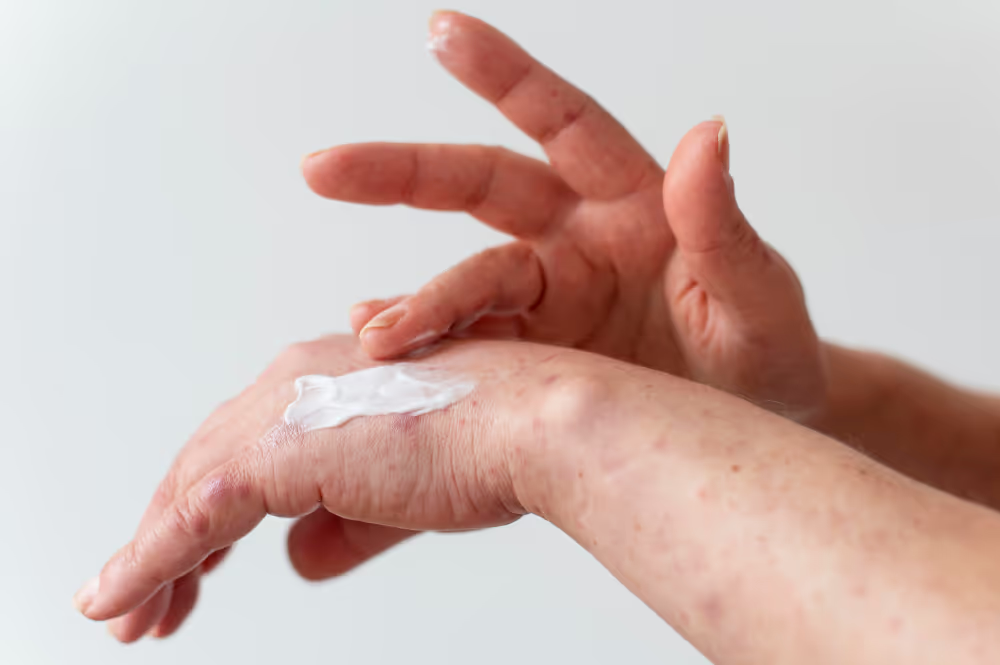
What Is Eczema?
Eczema, most commonly atopic dermatitis, is a chronic inflammatory skin condition that causes dry, itchy, and inflamed patches of skin. It can appear anywhere on the body, but it most often affects the face, hands, inside of the elbows, and behind the knees.
Eczema is extremely common. It affects an estimated 10 to 20% of children and up to 10% of adults worldwide. While many people develop eczema in childhood, it can appear for the first time at any age, including adulthood.
The condition tends to come and go in cycles. You may experience periods of relative calm followed by flare-ups where symptoms intensify. For many people, eczema is more than a cosmetic concern. The persistent itch, visible irritation, and disrupted sleep can take a real toll on daily life and emotional well-being.
Eczema can be managed. Diagnosis and medical management belong with your family physician or a dermatologist, who can confirm that what you are seeing is eczema and prescribe treatment where it is needed. With the right combination of skincare, trigger avoidance, and medical care, many people see meaningful improvement in their symptoms.
Signs and Symptoms of Eczema
Eczema can look and feel different depending on your skin tone, age, and the severity of your condition. The most common signs include:
Intense itching. This is often the first and most bothersome symptom. Eczema is sometimes called "the itch that rashes" because scratching the itch is what often causes the visible rash to appear or worsen.
Dry, rough, or scaly patches. Affected areas of skin often feel rough and may flake or peel. The skin barrier in these areas is compromised, which makes it harder for skin to retain moisture.
Redness and inflammation. On lighter skin, eczema typically appears as red or pink patches. On darker skin tones, it may look brown, purple, or grayish, which can sometimes make it harder to recognize.
Swelling and thickening. Chronic scratching or rubbing can cause the skin to thicken over time, a process called lichenification. This is the body's way of protecting irritated skin, but it can make the area feel leathery.
Cracking and oozing. During more severe flare-ups, the skin may crack, bleed, or weep clear fluid. Open cracks also increase the risk of secondary skin infections.
Sleep disruption. The itch-scratch cycle is often worst at night, which can interfere with sleep quality and leave you feeling exhausted during the day.
Common Eczema Triggers
One of the most important steps in managing eczema is identifying what causes your flare-ups. Triggers vary from person to person, but the most commonly reported include:
Dry air and low humidity. Calgary's cold, dry winters are one of the most challenging environments for eczema-prone skin. Indoor heating further reduces humidity, pulling moisture from the skin.
Irritating skincare products. Soaps, cleansers, shampoos, and lotions containing fragrance, alcohol, sulfates, or dyes can strip the skin barrier and trigger flare-ups. Switching to fragrance-free, hypoallergenic products is often one of the most impactful changes you can make.
Allergens. Dust mites, pet dander, pollen, and mold are common environmental allergens that can aggravate eczema. For some people, certain foods, particularly dairy, eggs, nuts, and wheat, may also play a role.
Fabrics and clothing. Rough or synthetic fabrics like wool and polyester can irritate sensitive skin. Soft, breathable materials like cotton are generally better tolerated.
Stress. Emotional stress is a well-documented eczema trigger. Stress activates the body's inflammatory response, which can worsen existing symptoms or trigger new flare-ups.
Temperature extremes and sweat. Both overheating and sudden temperature changes can provoke itching and flushing. Sweating, especially in skin folds, can also irritate eczema-prone areas.
Frequent hand washing and water exposure. Excessive hand washing or prolonged water contact can strip natural oils from the skin, leading to dryness and cracking, particularly on the hands.
Hormonal changes. Some patients notice that their eczema worsens around hormonal shifts, including menstrual cycles, pregnancy, or perimenopause.
Keeping a simple diary of your flare-ups, noting what you ate, wore, applied to your skin, or were stressed about, can help you identify patterns over time.
Eczema and Cosmetic Treatment
Arlo Medical is a nurse-injector clinic offering cosmetic treatments. We do not diagnose or treat eczema. If you think you have eczema, or your eczema is not well controlled, the right first step is an assessment with your family physician or a dermatologist. If a topical treatment you have been prescribed is not giving you enough relief, that is a conversation to have with the physician who prescribed it.
Energy-based and resurfacing treatments are not appropriate on skin that is actively flaring, cracked, weeping, or infected. If your skin is broken or inflamed, we will not proceed with treatment.
Some people whose eczema is stable and well managed also want to address skin texture or overall skin quality. Whether any cosmetic treatment is appropriate for you is a decision to make together with your physician, and we will ask about your eczema and your current treatment before proceeding with anything.
Everyday Skin Care That Helps
Regardless of treatment, these are the things that make the most consistent difference for eczema-prone skin:
- Trigger identification and avoidance. Understanding your personal patterns and removing avoidable irritants.
- Gentle skincare. Fragrance-free, hypoallergenic moisturizers, cleansers, and barrier-repair products.
- Moisturizing technique and timing. Applying within a few minutes of bathing helps the skin hold moisture.
- Sun protection. UV exposure aggravates eczema for some people, and many sunscreens contain irritants, so choosing a gentle broad-spectrum SPF matters.
- Physician follow-up. Ongoing review with your doctor so your treatment can be adjusted as your skin changes.
Results vary from person to person. Suitability, expected outcomes, and risks are reviewed at your consultation.
Other Concerns We Help With