What Is Rosacea?
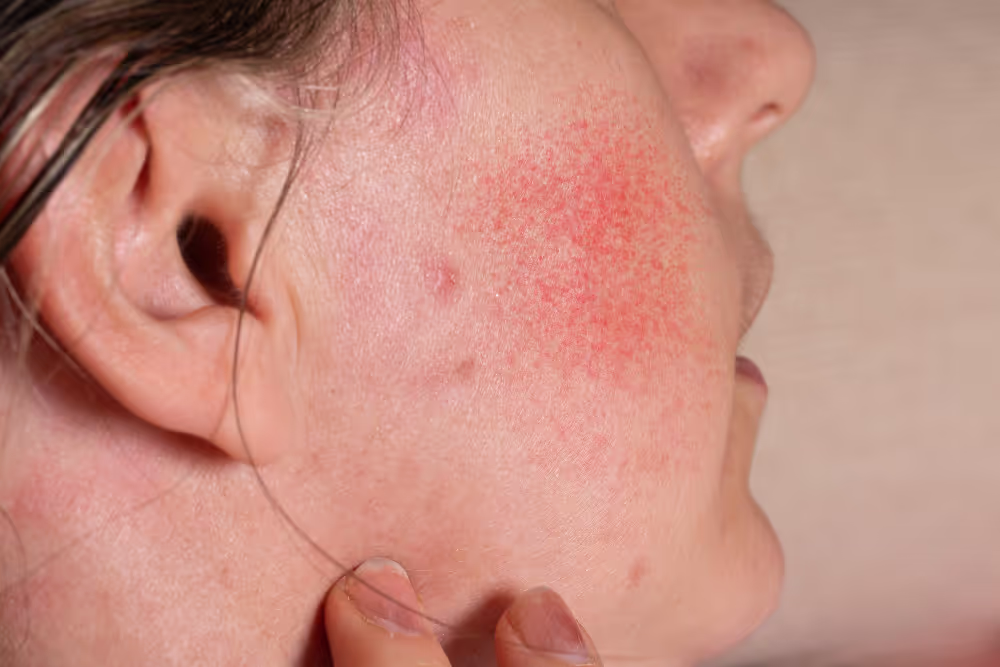
Rosacea is a chronic inflammatory skin condition that primarily affects the central face: the cheeks, nose, chin, and forehead. It often starts as a tendency to flush or blush more easily than other people, and over time can develop into persistent redness, visible blood vessels, and in some cases, small acne-like bumps.
Rosacea affects an estimated 5% of the global population and is particularly common among fair-skinned individuals, though it can occur in all skin types. It typically appears between the ages of 30 and 50, and tends to run in families.
While rosacea is not dangerous, it can be uncomfortable and have a real impact on how you feel day to day. Many patients describe feeling self-conscious about their skin, and it is common for rosacea to affect emotional well-being and confidence in social settings.
There is no permanent cure for rosacea, but it can be managed. Diagnosis and medical management belong with your family physician or a dermatologist, who can confirm that what you are seeing is rosacea and prescribe treatment where it is needed.
Signs and Symptoms of Rosacea
Rosacea does not look the same in everyone. Symptoms can vary widely from person to person, and they often change over time. The most common signs include:
Persistent facial redness. A constant flush or blush across the cheeks, nose, or forehead that does not go away on its own. This is the hallmark sign of rosacea and is often the first thing patients notice.
Flushing episodes. Sudden waves of warmth and redness in the face, sometimes triggered by heat, food, stress, or exercise. These episodes can last anywhere from a few minutes to several hours.
Visible blood vessels. Small, dilated blood vessels, called telangiectasia, that become visible beneath the skin's surface, particularly on the cheeks and around the nose.
Bumps and breakouts. Small, red, solid bumps or pus-filled pimples that can look similar to acne but are not the same condition. Rosacea breakouts do not involve blackheads or whiteheads.
Skin sensitivity. A tendency toward burning, stinging, or tightness, especially in response to skincare products, temperature changes, or environmental exposure.
Dry or rough texture. Some patients notice that the skin in affected areas feels rough, dry, or slightly swollen.
Eye involvement. Rosacea can affect the eyes, causing dryness, irritation, redness, or a gritty sensation. This is known as ocular rosacea. It should be assessed promptly by a physician or an eye specialist, since it can affect vision if left untreated.
Common Rosacea Triggers
One of the most important parts of managing rosacea is learning what sets it off. Triggers vary from person to person, but the most commonly reported include:
Sun exposure. Ultraviolet light is one of the most frequently cited triggers. Even brief sun exposure can cause a flare-up in sensitive skin.
Temperature extremes. Both hot and cold weather can provoke flushing. Calgary's dry winters and sudden temperature swings can be particularly challenging for rosacea-prone skin.
Stress and strong emotions. Emotional stress is a well-documented trigger. Frustration and even excitement can bring on a flare.
Spicy foods and hot drinks. Foods containing capsaicin (like chili peppers) and hot beverages (coffee, tea) can trigger flushing by dilating blood vessels.
Alcohol. Red wine is the most commonly reported culprit, but any alcohol can worsen symptoms for some people.
Strenuous exercise. Physical activity raises core body temperature, which can trigger flushing. This does not mean you should avoid exercise, but it helps to know your limits and cool down gradually.
Wind and harsh weather. Direct wind exposure, especially in dry climates like Calgary's, can irritate sensitive rosacea-prone skin.
Certain skincare products. Products containing alcohol, fragrance, menthol, or witch hazel can aggravate rosacea. Gentle, fragrance-free formulations are generally best.
Hot baths and saunas. Prolonged heat exposure in baths, hot tubs, or saunas can trigger or intensify flushing.
Keeping a simple trigger diary, even just a note on your phone when a flare-up happens, can help you identify patterns over time. This is one of the most useful things you can do to take control of your rosacea.
Rosacea and Cosmetic Treatment
Arlo Medical is a nurse-injector clinic offering cosmetic treatments. We do not diagnose or treat rosacea. If you think you have rosacea, or your rosacea is not well controlled, the right first step is an assessment with your family physician or a dermatologist.
Some people whose rosacea is stable and well managed also want to address skin texture or overall skin quality. If that describes you, it is worth knowing that any energy-based treatment carries a risk of flushing or irritation, and rosacea-prone skin is more reactive than average. Whether any cosmetic treatment is appropriate for you is a decision to make together with your physician, and we will ask about your rosacea and your current treatment before proceeding with anything.
Everyday Skin Care That Helps
Regardless of treatment, these are the things that make the most consistent difference for redness-prone skin:
- Trigger identification and avoidance. Understanding your personal patterns is the single most effective tool you have.
- Gentle skincare. Fragrance-free, alcohol-free formulations, applied with a light hand.
- Daily sun protection. Broad-spectrum SPF is one of the most important steps you can take, in every season.
- Physician follow-up. Ongoing review with your doctor so your treatment can be adjusted as your skin changes.
Results vary from person to person. Suitability, expected outcomes, and risks are reviewed at your consultation.
Other Concerns We Help With