How to Prepare for a Laser Hair Removal
Essential pre-treatment steps to ensure safe, effective results and minimize complications during laser treatments.
May 20, 2026
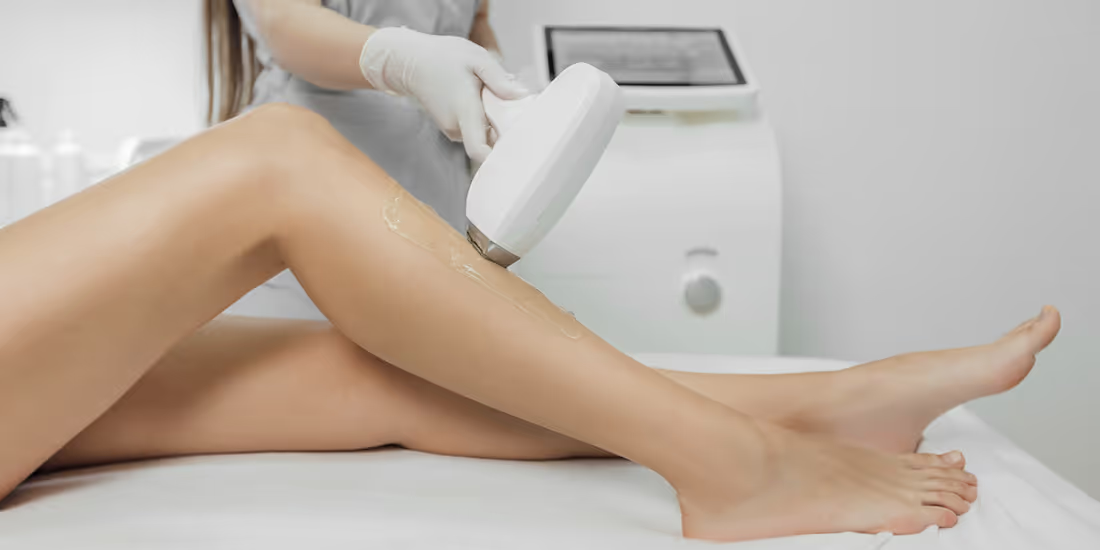
Quick answer: Prepare for laser hair removal by shaving (not waxing or plucking) 24–48 hours before treatment, avoiding sun exposure for two weeks beforehand, and arriving with clean, product-free skin. Stop retinoids and exfoliating acids 3–5 days before your appointment.
Proper preparation ensures the best results from your laser hair removal treatment while minimizing side effects. The key steps include avoiding sun exposure for two weeks beforehand, shaving (but not waxing or plucking) 24-48 hours before your appointment, and arriving with clean, product-free skin.
Following these guidelines protects your skin and allows the laser to target hair follicles effectively for optimal, long-lasting results.

Understanding Laser Hair Removal
Laser hair removal uses concentrated light energy to target melanin (pigment) in hair follicles. The laser light is absorbed by the pigment, heating and destroying the follicle while leaving surrounding skin undamaged. This prevents future hair growth in treated follicles.
The treatment works best on dark hair against lighter skin because the contrast allows the laser to distinguish hair from skin. Blonde, red, gray, and white hair contain less melanin, making them more difficult to treat effectively.
One often-cited statistic suggests women spend approximately 72 days shaving their legs over a lifetime. Beyond the time savings, laser treatments eliminate the daily hassle of shaving, reduce ingrown hairs, and stop the irritation cycle that comes with constant hair removal.
Why These Preparation Steps Matter
Each preparation guideline serves a specific purpose in protecting your skin and ensuring effective treatment. Skipping steps can lead to poor results, increased pain, or complications like burns and hyperpigmentation.
The laser needs to target hair follicles beneath the skin surface while avoiding damage to surrounding tissue. Proper preparation creates the ideal conditions for this selective targeting.

Essential Pre-Treatment Guidelines
Avoid Sun Exposure: 2 Weeks Before
Stay out of direct sunlight and avoid tanning beds for at least two weeks before your appointment. Tanned or sunburned skin dramatically increases your risk of burns, blisters, and post-inflammatory hyperpigmentation.
Here's why: the laser targets melanin (pigment). When your skin is tanned, it contains more melanin throughout—not just in the hair follicles. The laser can't distinguish between melanin in your skin and melanin in the hair, leading to burns.
If you must be outdoors, wear SPF 30+ sunscreen and cover the treatment area with clothing. Postpone your appointment if you've recently gotten sunburned or developed a new tan.
Stop Waxing and Plucking: 4-6 Weeks Before
This is crucial: do not wax, pluck, thread, or use depilatory creams for 4-6 weeks before treatment. These methods remove the hair follicle—the exact target the laser needs to destroy.
The laser works by targeting pigment in the hair shaft and follicle beneath the skin. If you've removed the follicle through waxing or plucking, there's nothing for the laser to target, and your session will be ineffective.
Shaving is the only acceptable hair removal method during this period because it leaves the follicle intact while removing hair above the skin surface.
Shave the Treatment Area: 24-48 Hours Before
Shave the treatment area 1-2 days before your appointment. This timing is important—not too far in advance (which allows stubble to grow), but not immediately before (which can leave skin irritated).
Shaving serves two purposes:
- It removes hair above the skin surface that could burn and cause discomfort
- It allows the laser to penetrate directly to the follicle without interference
If you arrive with visible hair above the skin, we'll need to shave the area before treatment. Long hair absorbs laser energy before it reaches the follicle, reducing effectiveness and increasing surface burns.
Discontinue Certain Skincare Products: 2-3 Days Before
Stop using products containing these active ingredients 2-3 days before treatment:
- Retinol (retinoids)
- Benzoyl peroxide
- Salicylic acid
- Glycolic acid
- Vitamin C serums (high concentration)
- Exfoliating acids (AHAs, BHAs)
These ingredients increase skin sensitivity and thin the outer layer of skin, making you more susceptible to burns and irritation during treatment. Resume use 2-3 days after your session once any redness has subsided.
Stick to gentle cleansers and basic moisturizers in the days surrounding your appointment.
Review Medications with Your Technician
Certain medications increase photosensitivity (sensitivity to light), which can cause severe reactions during laser treatment:
Antibiotics: Tetracyclines, fluoroquinolonesAcne medications: Isotretinoin (Accutane)Diuretics: Some blood pressure medicationsNSAIDs: Ibuprofen, naproxen (in high doses)Antidepressants: Certain SSRIsBirth control: Some formulations increase photosensitivity
Inform your technician about all medications, supplements, and herbal products you're taking. In some cases, we may need to postpone treatment until you've completed a medication course.
Arrive with Clean, Product-Free Skin
On the day of your appointment, wash the treatment area thoroughly but apply no products afterward:
Remove completely:
- Makeup
- Lotions and creams
- Oils and serums
- Deodorant (for underarm treatments)
- Perfume or cologne
These products create a barrier that interferes with laser penetration and can cause burns or uneven treatment. If you forget and arrive with products on your skin, we'll clean the area before proceeding.
Wear Appropriate Clothing
Choose loose, comfortable clothing that won't irritate treated skin after your appointment:
For leg treatments: Loose pants or a skirtFor underarm treatments: Loose-fitting top or tank topFor bikini area: Cotton underwear and loose pants or dress
Avoid tight jeans, restrictive undergarments, or synthetic fabrics that trap heat and moisture against freshly treated skin.
What to Expect During Treatment
The Procedure
Your session begins with cleaning the treatment area and marking the boundaries. You'll wear protective eyewear to shield your eyes from the laser light.
The technician uses a handheld device that emits concentrated light pulses. Each pulse targets multiple hair follicles. Most people describe the sensation as a rubber band snapping against the skin—brief and tolerable.
Treatment time varies by area:
- Upper lip: 5-10 minutes
- Underarms: 10-15 minutes
- Bikini area: 15-20 minutes
- Full legs: 45-60 minutes
- Back: 30-60 minutes
Managing Discomfort
Most patients tolerate treatment well without numbing cream. For sensitive areas or low pain tolerance, numbing cream can be applied 30-45 minutes before your appointment.
The laser has a built-in cooling mechanism that protects the skin surface and reduces discomfort. Taking ibuprofen 30 minutes before your appointment can also help.
Treatment Timeline and Sessions
You'll need multiple sessions because hair grows in cycles. At any given time, only 20-30% of your hair follicles are in the active growth phase (anagen) when they're most susceptible to laser damage.
Typical treatment schedule:
- Face: 4-6 sessions, spaced 4-6 weeks apart
- Body: 6-10 sessions, spaced 6-8 weeks apart
- Results become noticeable after 3 sessions
- Maintenance sessions may be needed 1-2 times per year
Consistency is essential. Missing sessions or spacing them too far apart reduces overall effectiveness.
Post-Treatment Care
Immediate Aftercare (24-48 Hours)
Expect redness and sensitivity: The treated area will look and feel like mild sunburn for several hours to a day. This is normal and indicates the laser has effectively targeted the follicles.
Apply cool compresses: Ice packs or cool, damp cloths soothe treated skin and reduce inflammation. Apply for 10-15 minutes several times during the first day.
Avoid heat: Skip hot showers, baths, saunas, steam rooms, and intense workouts for 24-48 hours. Heat increases inflammation and discomfort.
Moisturize gently: Use fragrance-free, gentle moisturizers or pure aloe vera gel to keep skin hydrated. Avoid products with active ingredients.
Ongoing Care (First Week)
Sun protection is critical: Treated skin is extremely vulnerable to UV damage. Wear SPF 30+ daily and cover treated areas with clothing when possible. UV exposure can cause hyperpigmentation that's difficult to reverse.
Avoid friction: Wear loose clothing and avoid activities that cause friction or sweating in treated areas for 3-5 days.
Don't pick at shedding hair: Treated hair will shed over 1-3 weeks as the destroyed follicles push out dead hair. Let it fall out naturally—don't pluck, scratch, or pick at it.
Gentle cleansing only: Use mild, fragrance-free cleansers. Avoid scrubs, loofahs, or anything abrasive.
Between Sessions
Shaving only: Between treatments, shave as needed. Absolutely no waxing, plucking, threading, or depilatory creams. These methods remove the hair follicle, making subsequent laser sessions ineffective.
Continue sun protection: Maintain diligent sun protection throughout your entire treatment course and for several weeks after your final session.
Common Concerns and What They Mean
Hair appears to grow back: In the first 1-3 weeks post-treatment, you may see what looks like hair regrowth. This is actually the treated hairs being pushed out by the follicle as it dies. They'll fall out on their own—this is normal and indicates successful treatment.
Uneven results: Different areas respond at different rates. Hormonal areas (face, bikini line) may require more sessions than arms or legs. Be patient and maintain your treatment schedule.
Skin discoloration: Temporary darkening (hyperpigmentation) or lightening (hypopigmentation) can occur, especially if pre/post-treatment guidelines weren't followed. This usually resolves within a few months.
Who Should Avoid Laser Hair Removal
Certain conditions make laser treatment unsuitable:
- Pregnancy or breastfeeding
- Active skin infections or open wounds in treatment area
- History of keloid scarring
- Taking photosensitizing medications that can't be paused
- Very dark skin with very light hair (poor contrast)
- Recent sunburn or tan
Discuss your medical history thoroughly during consultation to ensure laser treatment is safe for you.
The Investment: Time and Money
While laser hair removal requires upfront investment, most patients find it cost-effective compared to a lifetime of waxing or professional hair removal.
Consider the math: if you spend $50-100 per wax session every 4-6 weeks, that's $600-1,200 annually. Over 20 years, that's $12,000-24,000. Laser hair removal typically costs less than this for permanent reduction.
Beyond cost, there's the time savings—no more daily shaving, monthly waxing appointments, or dealing with ingrown hairs and irritation.
The Bottom Line
Success with laser hair removal starts long before your first appointment. Following preparation guidelines ensures safe, effective treatment with minimal complications.
The three most important steps:
- Avoid sun exposure for 2 weeks before
- Stop waxing/plucking 4-6 weeks before
- Shave 24-48 hours before
Combined with proper aftercare and commitment to the full treatment series, you can achieve significant, long-lasting hair reduction.
Frequently Asked Questions
Can I shave right before laser hair removal?
Shave 24-48 hours before your appointment, not immediately before. This timing allows any minor irritation from shaving to subside while keeping stubble minimal. Shaving too far in advance allows too much regrowth, while shaving immediately before can leave skin irritated and more sensitive to the laser. Clean-shaven skin (without irritation) allows the laser to target follicles beneath the surface most effectively.
How do I get the best results from laser hair removal?
Beyond following pre-treatment guidelines, the key to optimal results is completing your full treatment series on schedule. Don't skip sessions or space them too far apart—this reduces cumulative effectiveness. Avoid sun exposure throughout your entire treatment course, not just before individual sessions. Between treatments, only shave—never wax or pluck. Finally, manage expectations: laser provides significant permanent reduction (70-90%), but may not eliminate 100% of hair. Occasional maintenance sessions help manage any regrowth.
What to do before a laser hair removal session?
Two weeks before: stop sun exposure and tanning. Four to six weeks before: stop waxing, plucking, or threading. 2-3 days before: discontinue retinol, acids, and other active skincare products. 24-48 hours before: shave the treatment area. Day of appointment: arrive with clean, product-free skin wearing loose, comfortable clothing. Avoid caffeine before your appointment as it can increase sensitivity. Bring your list of current medications to review with your technician.
What are the don'ts of laser hair removal?
Don't wax, pluck, or thread for 4-6 weeks before treatment—these remove the follicle the laser needs to target. Don't tan or expose treated areas to sun without protection for 2 weeks before and after sessions. Don't use retinoids, acids, or exfoliating products for several days before and after treatment. Don't apply lotions, makeup, or deodorant to treatment areas on appointment day. After treatment, don't use hot water, saunas, or exercise intensely for 24-48 hours. Between sessions, avoid anything that removes hair follicles—shaving only.
Last Updated:
May 20, 2026


Ready to Discuss Your Botox Treatment?
Book a consultation at our Calgary location to get a personalized treatment plan. Every face is different and yours deserves an approach that's tailored specifically to you.