How to Prepare for Dermal Filler: The Two Weeks Before
Most bruising after filler is decided before the needle goes anywhere near you. Here is what actually helps in the two weeks beforehand.
September 27, 2026
Quick answer: In the two weeks before dermal filler, the main goal is to reduce bruising. Where your prescriber agrees it is appropriate, pause supplements that thin the blood, such as fish oil, vitamin E, ginkgo, and high-dose garlic, about a week beforehand. Avoid alcohol for 24 to 48 hours before. Do not stop any prescribed medication without asking the doctor who prescribed it. Tell your injector if you have a history of cold sores, if you have had filler before, and about any recent dental work or vaccinations. Book at least two weeks ahead of an event, never the week of.
Most people prepare for filler by clearing an afternoon. That is the easy part. The part that actually shows up on your face is what you did in the week or two beforehand, because that is what determines how much you bruise.
Bruising is not a complication. It is an expected outcome of putting a needle through skin that has blood vessels in it, and some of it is outside anyone's control. But a meaningful share of it is influenced by things you can decide in advance.
A note before any of this: your injector's instructions take priority over a general guide. Prep varies by product, by treatment area, and by your own history. What follows is the shape of it.
Two Weeks Out: Book With the Calendar in Mind
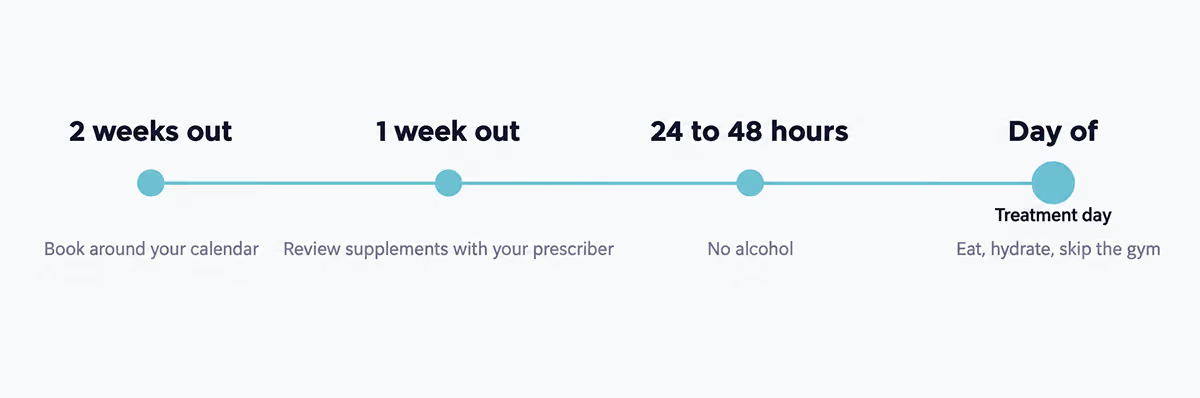
Leave two weeks between treatment and anything that matters. A wedding, a work presentation, a photo shoot, a holiday. Swelling peaks around day two and takes roughly a fortnight to fully settle, and bruising can take five to ten days to clear. Treating on the Thursday before a Saturday event is the single most common scheduling mistake.
If you are considering a series, start earlier still. Sculptra works gradually over multiple sessions rather than giving immediate volume, so it needs months rather than weeks of runway.
Tell your injector about recent dental work or vaccinations. Both are reasons your injector may suggest spacing treatment differently. It is not a barrier, it is a scheduling conversation, and it is far easier to have beforehand.
One Week Out: The Supplement Conversation
Several common supplements affect how readily you bruise. The usual list is fish oil and omega-3, vitamin E, ginkgo biloba, high-dose garlic, ginseng, and St John's wort.
Where it is appropriate to pause them, about a week beforehand is the usual guidance. But "appropriate" is doing real work in that sentence. Plenty of people take these for reasons that matter more than a bruise.
Do not stop prescribed medication on the strength of a blog post. Blood thinners, in particular, are prescribed for serious reasons and stopping one can be genuinely dangerous. If you take anything prescribed, the conversation is with the doctor who prescribed it, and the answer is often that you carry on and simply accept a higher chance of bruising. That is a perfectly reasonable trade.
Over-the-counter painkillers are worth asking about too. Some affect clotting and some do not. Rather than guessing in the pharmacy aisle, ask your injector which they would suggest for the day of treatment.
The Day Before and the Day Of
Skip alcohol for 24 to 48 hours beforehand. Alcohol dilates blood vessels and thins the blood. It is probably the highest-impact single thing on this list, and the one most often ignored because it feels harmless.
Eat properly and drink water before you come. Arriving hungry or dehydrated makes people lightheaded during injections. It is a small thing that improves the experience noticeably.
Come with a clean face where you can. Not essential, but it saves time and reduces what needs to be removed from the treatment area.
Consider skipping the gym that morning. Elevated blood pressure right before treatment does not help.
What to Tell Your Injector, Without Being Asked
Some of the most useful information is the sort people do not think to volunteer.
A history of cold sores. Injecting around the mouth can trigger an outbreak in people who are prone to them. Your injector needs to know in advance because it changes the plan, and it is much easier to manage before treatment than after. This matters most for lip treatment and anything near the lip border.
Any filler you have had before, including where, when, and what. Product still present in the tissue changes what is appropriate now, and stacking new filler on old is the most common cause of filler migration. If it was done elsewhere and you are not sure what was used, say so. "I do not know" is useful information.
Whether you have ever had a reaction to a treatment. Any reaction, anywhere, however minor it seemed.
What you are actually hoping for. Bringing a photo is genuinely helpful, as long as it is a starting point for a conversation rather than an instruction. Faces differ, and what suits one will not transfer to another.
Area-Specific Notes
Lips. The most bruise-prone and the most swelling-prone area. The alcohol and supplement guidance matters most here. If you are prone to cold sores, this is the area where telling your injector is not optional. Related reading on thin lips.
Under-eyes. Thin, vascular skin that holds fluid readily, so bruising shows more and lasts longer. Give this area more calendar room than you think you need. Our tear trough guide covers the treatment itself.
Cheeks and jawline. Generally the most forgiving to prepare for and to recover from. Useful if you are working with volume loss and have a tighter timeline.
What Preparation Cannot Do
Preparation improves your odds. It does not guarantee anything.
Some people bruise easily regardless of what they do, some areas bruise more than others, and thin skin over a vascular area will sometimes bruise no matter how careful everyone has been. If you have done everything on this list and still have a bruise, that is not evidence that something went wrong.
It is also worth knowing that the reason clinics ask these questions is not administrative. Knowing your history is part of how an injector reduces the risk of the rare but serious problems, which we have written about openly in our case study on a suspected vascular occlusion.
After the Appointment
The other half of this is what happens once you leave, and it has its own guide: dermal filler aftercare, covering what is normal, what to avoid in the first 48 hours, and the signs that need a phone call.
Thinking about filler? Book a consultation with one of our injectors. We will go through your history, what you are hoping for, and whether dermal filler is the right approach at all. Results vary from person to person, and suitability is assessed individually.
Frequently Asked Questions
How far in advance should I book filler before an event?
At least two weeks. Swelling usually peaks around day two and takes roughly a fortnight to settle fully, and bruising can take five to ten days to clear. Booking in the same week as a wedding, presentation, or holiday is the most common timing mistake people make.
What should I avoid before dermal filler?
Alcohol for 24 to 48 hours beforehand, since it dilates blood vessels and thins the blood. Where your prescriber agrees it is appropriate, supplements that affect bruising such as fish oil, vitamin E, ginkgo, and high-dose garlic are usually paused about a week ahead. Never stop prescribed medication without asking the doctor who prescribed it.
Can I take painkillers before filler?
Some over-the-counter painkillers affect clotting and can increase bruising, and some do not. Rather than guessing, ask your injector which they would recommend for the day of your treatment.
Should I tell my injector if I get cold sores?
Yes, and before the appointment rather than at it. Injecting around the mouth can trigger an outbreak in people who are prone to them, and it is far easier to plan for in advance than to deal with afterward.
Will preparing properly stop me bruising?
It improves your odds rather than guaranteeing anything. Some people bruise easily whatever they do, and thin, vascular areas like the lips and under-eyes bruise more readily than cheeks or jawline. A bruise after careful preparation is not a sign that anything went wrong.
Related Reading
Last Updated:
September 27, 2026

Ready to Discuss Your Botox Treatment?
Book a consultation at our Calgary location to get a personalized treatment plan. Every face is different and yours deserves an approach that's tailored specifically to you.