What Does Botox Do?
From wrinkle reduction to migraine relief, everything you need to know about Botox's cosmetic and medical uses."
September 1, 2026
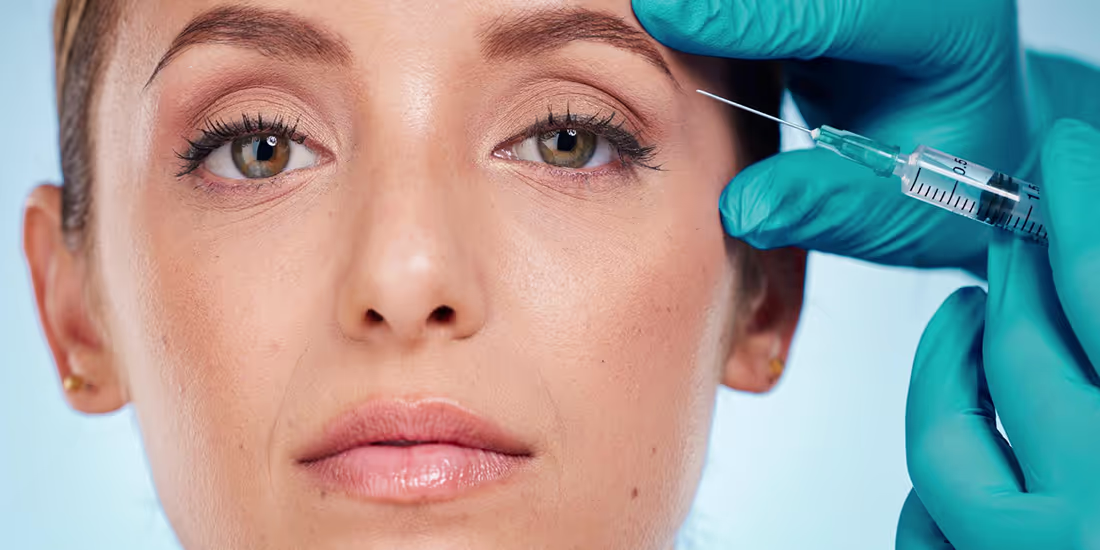
Quick answer: Botox is a prescription neuromodulator that temporarily relaxes facial muscles. In Canada it is authorized by Health Canada for frown lines, forehead lines, crow's feet, chronic migraine, hyperhidrosis, and several other therapeutic uses. Results appear within 5 to 7 days and last 3 to 4 months.
Botox temporarily relaxes specific facial muscles to smooth wrinkles and fine lines. Using controlled doses of botulinum toxin, it blocks nerve signals that cause muscles to contract, resulting in a more youthful, refreshed appearance. Beyond cosmetics, Botox is also used for several authorized medical conditions, including chronic migraine and excessive sweating.
This guide explains exactly how Botox works, what it treats, and what to expect from treatment.
Understanding Botox: The Science Behind the Treatment
Botox is derived from botulinum toxin type A, produced by the bacterium Clostridium botulinum. In the tiny, controlled doses used for medical and cosmetic treatments, its effects are localised and temporary.

How Botox Works in Your Muscles
Muscles contract when nerves release a chemical messenger called acetylcholine. Botox blocks this release, preventing the nerve from telling the muscle to contract. The muscle stays relaxed, which smooths out the wrinkles created by repeated facial movements.
This effect is temporary—your body gradually metabolizes the Botox over 3-4 months, and muscle activity returns to normal. This is why regular treatments are needed to maintain results.
The precision matters here. When administered by a skilled injector, Botox targets only the specific muscles causing unwanted wrinkles while preserving natural facial expressions. You should still be able to smile, raise your eyebrows, and show emotion—just without the deep creases.
Cosmetic Applications: What Botox Can Treat
Botox addresses dynamic wrinkles—those caused by repeated facial movements like frowning, squinting, or raising your eyebrows. Here's where it's most effective:
Forehead Lines and Frown Lines
Horizontal forehead lines appear when you raise your eyebrows repeatedly over the years. Frown lines (the vertical "11s" between your eyebrows) develop from concentrating, squinting, or frowning. Both can make you look tired, angry, or older than you feel.
Botox injections relax these muscles, smoothing existing lines and preventing them from deepening. The result is a more relaxed, approachable appearance while maintaining your ability to express yourself naturally.
Crow's Feet and Eye Area
Crow's feet—the fine lines radiating from the outer corners of your eyes—are among the most common Botox treatment areas. These wrinkles develop from smiling, squinting, and sun exposure over time.
Botox can also address bunny lines (the wrinkles that appear on your nose when you scrunch it) and reduce the appearance of under-eye wrinkles in some cases, though this area requires careful technique.
Eyebrow Shaping and Lift
Strategic Botox placement can subtly lift the eyebrows by relaxing the muscles that pull them downward. This opens up the eye area and can reduce the appearance of hooded eyelids without surgery.
I often combine this with treating forehead lines—it's about finding the right balance so your brows don't drop when we relax the forehead muscles. This requires understanding facial anatomy and how different muscles interact.
Lip Lines and Lip Enhancement
Vertical lines around the mouth (often called smoker's lines or lipstick lines) respond well to small amounts of Botox. The treatment relaxes the muscle responsible for pursing your lips, smoothing these fine creases.
A Botox lip flip relaxes the muscle just above the upper lip, causing it to gently roll outward. This creates the appearance of a fuller upper lip without adding volume. The effect is subtle—about 1-2mm of additional "show"—and works best for people who feel their upper lip disappears when they smile.
Chin Dimpling
For chin dimpling (sometimes called "cobblestone chin" or "orange peel chin"), small amounts of Botox relax the mentalis muscle. This smooths out the bumpy texture that appears when you tense your chin.
Neck Bands
Vertical neck bands (platysmal bands) become more prominent with age. Botox can relax these muscles, creating a smoother neck contour. This treatment is sometimes called a "Nefertiti lift" when combined with jawline treatment.
Medical Applications of Botox
While most people know Botox for wrinkle reduction, it also has several medical uses authorized in Canada:
Chronic Migraine Treatment
Botox is authorized in Canada for the prevention of headaches in adults with chronic migraine. Treatment involves a series of injections across several specific head and neck areas: forehead, temples, back of the head, neck, and shoulders.
The mechanism isn't fully understood, but research suggests Botox blocks pain signals and reduces inflammation in nerve pathways involved in migraines. Patients typically receive treatments every 12 weeks, and many see significant reduction in both migraine frequency and severity.
Hyperhidrosis (Excessive Sweating)
Botox effectively treats hyperhidrosis by blocking the nerve signals that activate sweat glands. Treatment areas include underarms, palms, feet, and forehead.
Underarm results typically last 6-7 months—longer than cosmetic Botox because the area isn't subject to constant muscle movement. The difference in quality of life for patients with severe hyperhidrosis is often dramatic.
Overactive Bladder
For patients with overactive bladder who haven't responded to medication, Botox can be injected directly into the bladder muscle. This relaxes the muscle and increases bladder capacity, reducing urgency and incontinence episodes.

Benefits of Botox Treatment
Non-Surgical with Minimal Downtime
Botox requires no incisions, general anesthesia, or extended recovery. Most patients return to normal activities immediately after treatment. The actual injection process takes 10-15 minutes.
Predictable, Reversible Results
Effects appear gradually over 3-14 days and last 3-4 months. Because results are temporary, you're not locked into permanent changes. If you're unhappy with results, they'll fade naturally.
Preventative Benefits
Regular Botox use can actually prevent wrinkles from forming or deepening. When muscles can't contract fully, they don't create the repeated creases that eventually become permanent lines. Many patients in their late 20s and early 30s start preventative Botox for this reason.
Potential Side Effects and Risks
Botox is well studied and widely used, but it is a prescription medication and all medical treatments carry risk. Suitability is assessed individually before any treatment.
Common, Temporary Side Effects
- Mild bruising at injection sites (occurs in about 20-30% of treatments)
- Slight headache lasting a few hours
- Temporary redness or swelling
- Slight drooping if Botox migrates (rare with proper technique, resolves within weeks)
Minimizing Risks
Choose an experienced, licensed injector who understands facial anatomy. The skill of your injector matters far more than the product itself. Poor technique causes most complications—not the Botox.
Avoid blood thinners (aspirin, ibuprofen, fish oil, vitamin E) for 24-48 hours before treatment to minimize bruising. Some bruising is normal and unavoidable, but this helps.
Preparing for Your Botox Treatment
Your Consultation
During consultation, I assess your facial anatomy, muscle strength, and aesthetic goals. I'll ask you to make various expressions so I can see which muscles are most active and plan injection points accordingly.
Be honest about what bothers you and what results you want. Bring photos of yourself you like, this helps me understand your aesthetic preferences.
Pre-Treatment Guidelines
- Avoid alcohol 24 hours before treatment
- Skip blood-thinning supplements for 48 hours
- Come with a clean face (no makeup)
- Don't schedule important events for 2 weeks after first treatment (in case you need touch-ups)
What to Expect During Treatment
The Injection Process
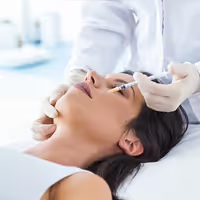
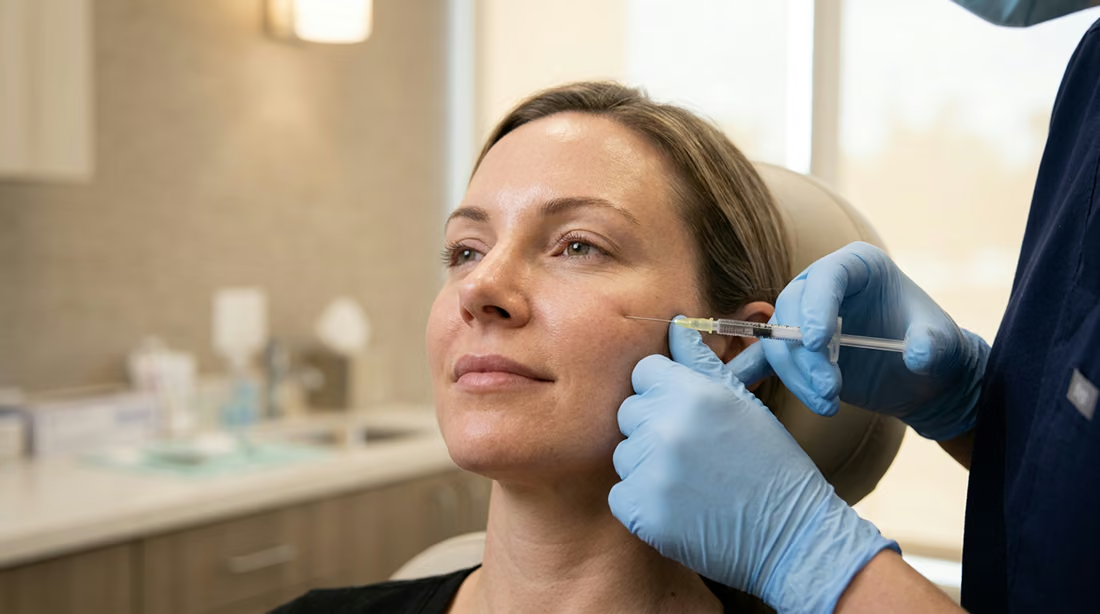
I use very fine needles to inject small amounts of Botox into specific muscles. Most areas require 3-5 injection points. The needles are much smaller than those used for blood draws, and most patients describe the sensation as a slight pinch or mosquito bite.
The entire process takes 10-15 minutes depending on how many areas we're treating.
Managing Discomfort
Most patients tolerate Botox injections well without numbing. For particularly sensitive individuals, we can apply ice beforehand to minimize discomfort. Some patients prefer numbing cream, though this isn't usually necessary.
Post-Treatment Care
Immediate Aftercare (First 4 Hours)
- Avoid lying down
- Don't massage or apply pressure to treated areas
- Skip intense exercise
- Stay upright to prevent Botox migration
These precautions help ensure Botox stays where we placed it.
First 24-48 Hours
- Avoid alcohol and blood thinners
- Sleep elevated if you had forehead or eye treatment
- Don't get facials or massages
- Gentle face washing is fine
Seeing Results
Botox takes 3-7 days to start working, with full results visible at 10-14 days. I typically schedule follow-up appointments at 2 weeks to assess results and add more if needed (though most patients don't require adjustments).
Botox vs. Other Treatments
Botox vs. Dermal Fillers
This is the most common source of confusion. Botox relaxes muscles to smooth dynamic wrinkles. Dermal fillers add volume to restore lost fullness or enhance features.
Use Botox for: Expression lines, crow's feet, forehead lines, frown lines
Use fillers for: Volume loss, hollow cheeks, thin lips, under-eye hollows, nasolabial folds
Many patients benefit from both—they treat different concerns and work beautifully together.
Botox vs. Surgical Options
Botox provides subtle, natural-looking improvement without surgery, downtime, or permanent changes. A facelift offers more dramatic, longer-lasting results but involves surgery, recovery time, and permanent alteration.
For many patients in their 30s-50s, Botox effectively addresses their concerns without the commitment and risk of surgery.
How Long Does Botox Last?
Results typically last 3-4 months, though this varies by individual and treatment area. Factors affecting duration include:
- Metabolism: More active individuals may metabolize Botox faster
- Muscle strength: Stronger muscles may require higher doses or more frequent treatments
- Injection technique: Proper placement and dosing extend results
- Treatment area: Some areas (like underarms for hyperhidrosis) last longer than facial muscles
With regular treatments, some patients find results last progressively longer as muscles become trained to relax.
The Bottom Line
Botox is a versatile, well-studied treatment offering both cosmetic and medical benefits. When administered by qualified professionals, it is effective and provides natural-looking results.
The key to good results is choosing an experienced injector who understands facial anatomy, listens to your goals, and takes a conservative approach. You can always add more units at a follow-up—you can't take them back.
If you're considering Botox, schedule a consultation to discuss your concerns and create a personalized treatment plan.
Frequently Asked Questions
What does Botox actually do to your face?
Botox temporarily blocks nerve signals to specific facial muscles, preventing them from contracting. This relaxes muscles responsible for expression lines, smoothing wrinkles on the forehead, around the eyes, and between the eyebrows. The effect is gradual, natural-looking reduction in dynamic wrinkles while maintaining your ability to express emotions.
What are the benefits of having Botox?
Beyond reducing wrinkles, Botox offers several benefits: it's non-surgical with no downtime, results are predictable and reversible, it can prevent new wrinkles from forming, and it treats medical conditions like chronic migraines and excessive sweating. The treatment is quick, relatively affordable compared to surgical alternatives, and provides natural-looking results when performed by experienced injectors.
How long does Botox last?
Expect results to last 3-4 months on average. Effects begin appearing within 3-7 days and reach full strength at 2 weeks. Muscle activity gradually returns as your body metabolizes the Botox. Regular maintenance treatments every 3-4 months sustain results, and some patients find effects last progressively longer with consistent treatment.
What are the cons of using Botox?
The main drawbacks are temporary nature (requiring regular treatments), potential for bruising or mild side effects, and cost of maintenance. Rare complications include temporary drooping if Botox migrates, though this resolves within weeks. Results depend heavily on injector skill—poor technique produces unnatural results. Some people dislike the idea of injections or prefer permanent solutions. Always choose qualified, experienced providers to minimize risks.
Related Reading
Continue Your Research:
Related Concerns:
Ready to explore Botox or Dysport? Learn more about our injectable treatments or book a consultation to discuss your goals with our team.
Last Updated:
September 1, 2026
Ready to Discuss Your Botox Treatment?
Book a consultation at our Calgary location to get a personalized treatment plan. Every face is different and yours deserves an approach that's tailored specifically to you.