Dark Spots and Hyperpigmentation: Why They Happen and What Actually Helps
Not all dark spots are the same, and treating the wrong one is why so many people see no improvement.
August 10, 2026
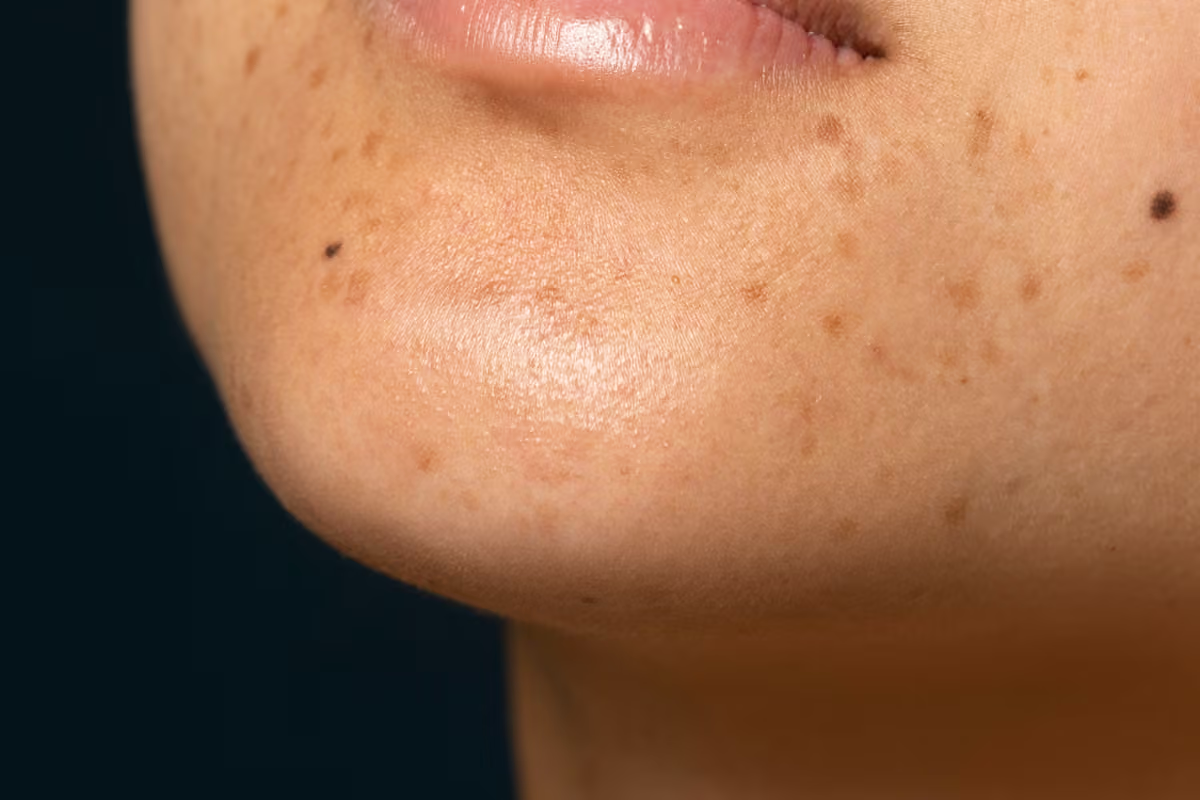
Quick answer: Dark spots fall into three broad groups that respond differently. Sun spots sit in the upper skin and respond well to resurfacing. Melasma is hormonally driven, sits deeper, and needs a gentler, longer approach because aggressive treatment can worsen it. Post-acne marks usually fade on their own with time and sun protection. Identifying which type you have is the single most important step, because the treatment that clears one can aggravate another.
If you have been trying to fade dark spots without much success, there is a good chance the issue is not the product or the treatment. It is that the spots were never one thing to begin with.
Hyperpigmentation is an umbrella term. It simply means an area of skin has produced more melanin than the skin around it. But the reason that happened changes everything about what will help, and the most common mistake is treating all discolouration as though it were sun damage.
The three types worth telling apart
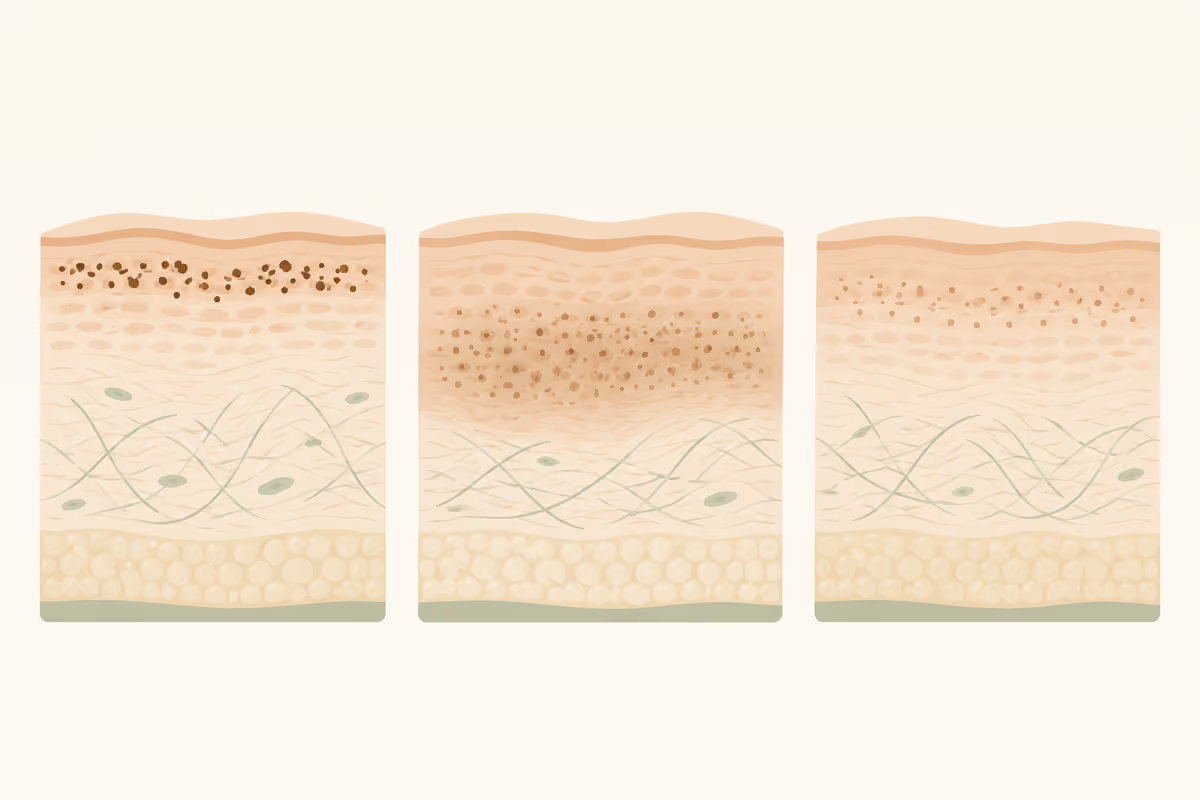
Sun spots (solar lentigines). Flat, well-defined brown patches on areas with the most cumulative sun exposure: cheekbones, temples, nose, backs of the hands, chest. They tend to appear from the thirties onward and accumulate slowly. Because the excess pigment sits relatively high in the skin, these respond well to resurfacing and are the most straightforward group to improve.
Melasma. Larger, more diffuse, often symmetrical patches, typically across the cheeks, forehead, upper lip, and jawline. The borders are blurry rather than crisp. Melasma is driven by a combination of hormones, heat, and UV exposure, which is why it frequently appears during pregnancy or after starting hormonal contraception, and why it flares in summer.
Melasma is the one that catches people out. The pigment often sits deeper, it is genuinely chronic, and it can be worsened by aggressive treatment, because heat and inflammation are triggers in themselves. Anyone promising to permanently clear melasma in a couple of sessions is overselling.
Post-inflammatory hyperpigmentation. The flat brown or reddish marks left behind after a spot heals, an ingrown hair, or any small skin injury. This is not scarring. It is temporary pigment deposited during healing, and in most cases it fades on its own over several months provided the area is protected from sun. If you also have textural change, indentation, or raised tissue, that is acne scarring rather than pigmentation, and it needs a different approach entirely.
Why Calgary makes this harder
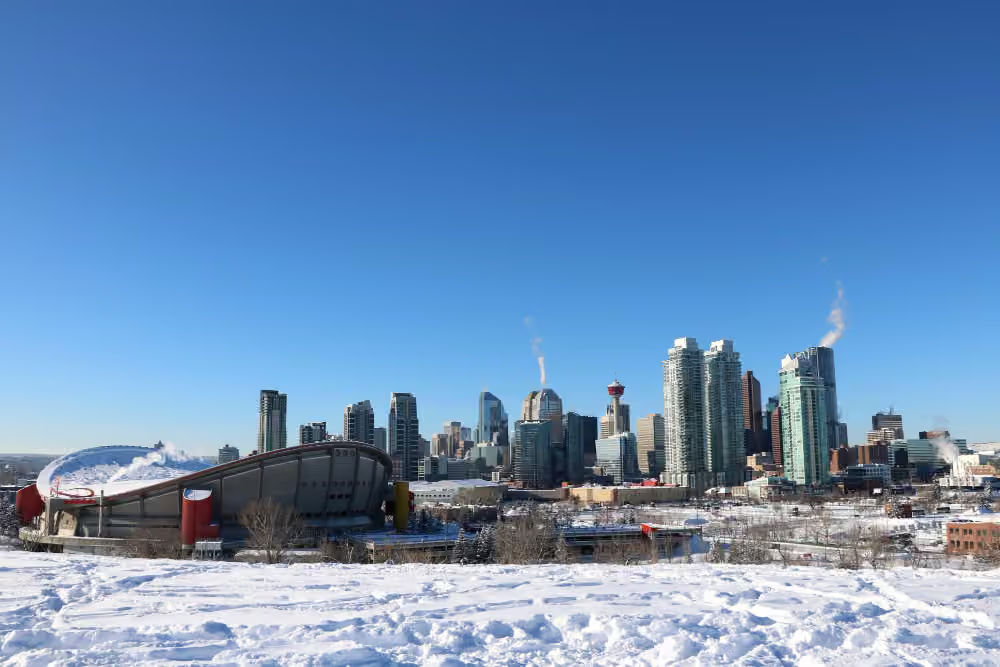
Two local factors work against pigmentation, and they are worth understanding because they change how you should approach both treatment and maintenance.
Elevation. Calgary sits above 1,000 metres. UV intensity increases with altitude, so the same amount of time outdoors delivers more UV exposure here than it would at sea level. Add long summer daylight hours and significant snow reflection in winter, and the annual UV load is higher than most people assume.
Dryness. Our winters are extremely dry, and chinook cycles swing temperature and humidity repeatedly. A compromised skin barrier is more reactive and more prone to inflammation, and inflammation drives pigment production. This is the mechanism behind the common frustration of doing everything right on the pigment itself while the barrier quietly undermines it.
The practical consequence: daily sun protection is not optional maintenance here, it is the treatment. Any resurfacing or brightening work you invest in will regress without it. If you want the detail on choosing between formulations, we covered chemical versus physical sunscreen separately.
What actually helps
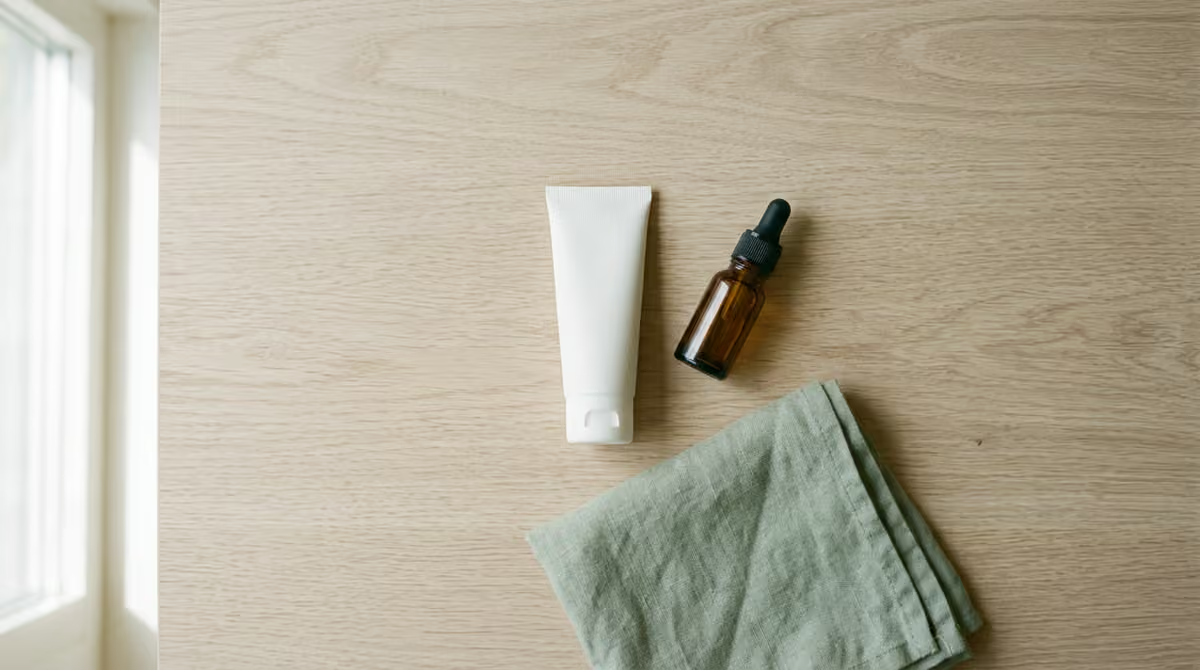
Sun protection, first and permanently. Broad-spectrum SPF 30 or higher, applied daily, reapplied when you are outdoors for extended periods. For melasma specifically, look for a formulation offering visible-light protection as well, since visible light and heat are independent triggers. Mineral formulations containing iron oxides are useful here.
Topical ingredients that interrupt pigment production. Several well-studied ingredient categories reduce melanin synthesis or accelerate cell turnover. These work gradually, over two to three months, and they work best in combination. Which ingredients suit you depends on your pigmentation type, your skin’s sensitivity, and what you are already using, so this is worth selecting during a consultation rather than assembling from search results. Some agents are prescription-only and need to be prescribed appropriately.
Resurfacing, for the right candidates. For sun damage and uneven tone, NeoGen PSR uses nitrogen plasma to resurface the skin’s surface layers and stimulate renewal, improving tone and texture together rather than targeting spots individually. Because it does not rely on light absorbed by pigment, it behaves differently from light-based devices, which is part of why we use it across a wider range of skin tones. We compared it directly against ablative lasers in NeoGen PSR versus CO2.
For more diffuse dullness and mild unevenness where full resurfacing is more than you need, Plexr Shower offers a gentler non-ablative option with minimal downtime.
Patience, particularly with melasma. Realistic timelines matter. Sun spots often show visible improvement after a single resurfacing treatment, with continued refinement over the following weeks. Melasma is managed rather than cured, usually with gentle layered treatment plus rigorous daily protection, and it can recur with hormonal change or a summer of sun. That is not treatment failure. It is the nature of the condition, and knowing that upfront makes the process much less demoralising.
What to be careful with
Aggressive treatment of melasma can make it worse. So can heat, which is why some patients find hot yoga, saunas, or even prolonged cooking over a stove trigger a flare.
Be wary of scrubs and harsh acids used in an attempt to buff spots away. Mechanical irritation causes inflammation, and inflammation causes pigment. This is the loop that keeps people stuck for years.
And avoid stacking multiple actives at high strength simultaneously. Barrier damage in our climate is easy to cause and slow to repair. If your skin is stinging, flaking, or reactive, the pigment work has already stalled.
Where to start
The genuinely useful first step is having someone look at your skin and tell you which type of pigmentation you actually have, because that determines everything downstream. In some cases the answer is that what you have is better addressed as texture or dullness rather than pigment at all.
You can read more about how we approach pigmentation and uneven tone, or about NeoGen PSR if resurfacing is what you are weighing up. Our post on winter skin care covers the barrier side of the equation, which matters more here than most places.
Not sure which kind of dark spots you have? Book a consultation and one of our nurse injectors will assess your pigmentation, explain what is driving it, and lay out a realistic plan and timeline.
Frequently asked questions
How can I tell if I have melasma or sun spots?
Sun spots are small, flat, well-defined brown patches on high-exposure areas such as cheekbones, temples, and the backs of the hands. Melasma appears as larger, more diffuse patches with blurry borders, often symmetrical across both cheeks or the forehead and upper lip, and it commonly begins or worsens with hormonal change or sun exposure. An in-person assessment is the reliable way to distinguish them.
Can hyperpigmentation be removed permanently?
It depends on the type. Sun spots can often be significantly and durably improved, though new ones will form with ongoing UV exposure. Melasma is a chronic condition that is managed rather than cured, and it can recur with hormonal changes or sun exposure. Post-inflammatory marks from healed spots usually fade on their own over several months.
How long does it take to see improvement in dark spots?
Topical ingredients generally need two to three months of consistent use before meaningful change is visible. Resurfacing treatments such as NeoGen PSR can show improvement in tone after a single session, with continued refinement over the following weeks as the skin renews. Melasma typically requires a longer, gentler course.
Does sunscreen really make a difference to existing dark spots?
Yes, and it is the most important single factor. UV exposure continues to stimulate pigment production, so without daily broad-spectrum protection, improvement from any treatment will regress. In Calgary this matters more than in most Canadian cities because elevation increases UV intensity and snow reflects additional UV in winter.
Can resurfacing treatments make pigmentation worse?
Aggressive treatment can worsen melasma specifically, because heat and inflammation are triggers for it. This is why identifying your pigmentation type before treating matters, and why a gentler, layered approach is usually appropriate for melasma. A proper assessment beforehand is what prevents this.
Last Updated:
August 10, 2026


Ready to Discuss Your Botox Treatment?
Book a consultation at our Calgary location to get a personalized treatment plan. Every face is different and yours deserves an approach that's tailored specifically to you.